When you sit down at a pokies terminal on a busy Friday arvo, the screen lights up and reels spin, but the real engine running underneath is pure mathematics. As someone who has spent years structuring commercial deals across global gaming and sports markets, I reckon the most useful thing any adult player can do is separate the spectacle from the mechanism. This article explains how do slot machine random number generators work in plain terms, with a practical review focus on what that means for your gameplay, your bankroll, and your expectations at the table.
The core concept behind the spinning reels
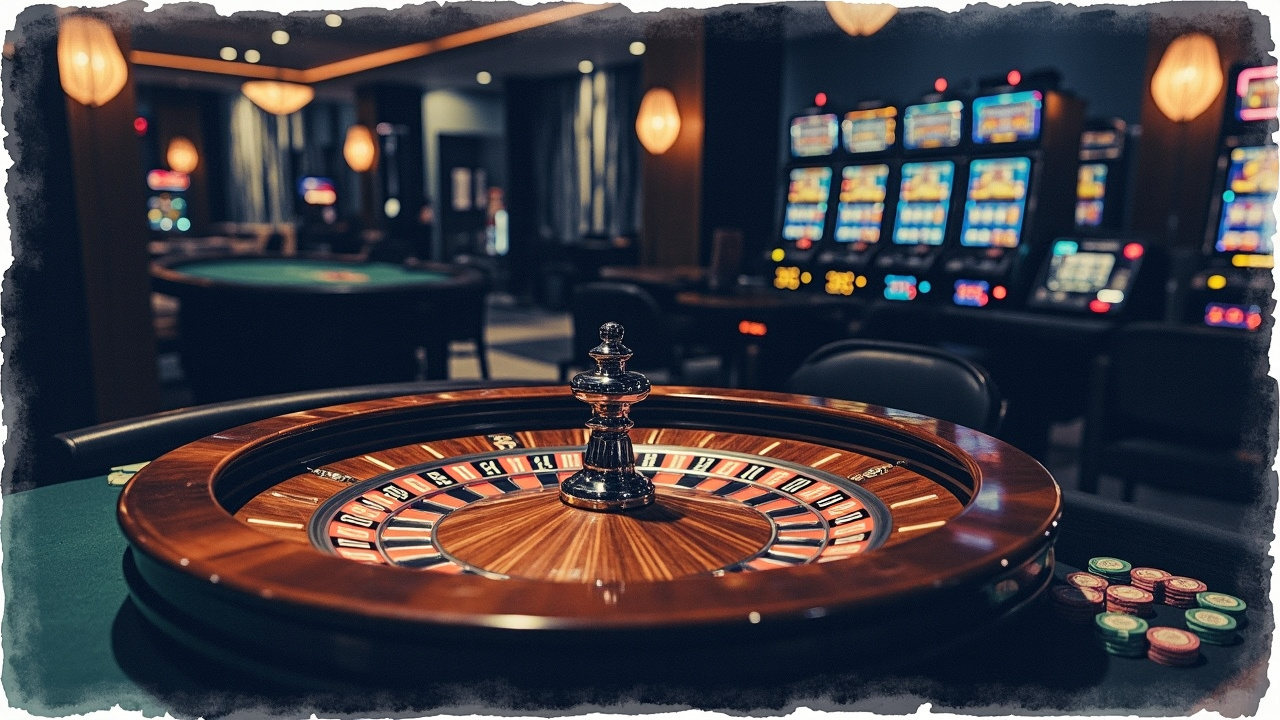
At its simplest, a random number generator is a small software routine that produces a continuous stream of unpredictable numbers, even when nobody is touching the machine. Each number maps to a specific symbol arrangement across the virtual reel strips, so the moment you press spin, the game locks in an outcome that was already determined by that stream. There is no memory of your last bet, no cycle building toward a win, and no hidden schedule that favours certain hours. From a commercial perspective, this is the same kind of integrity architecture you see in regulated sports betting markets, where transparent randomness protects both the operator and the player. If you want a broader walkthrough of the mechanical side, you can read this related guide for extra context on reels and symbol mapping.
The practical takeaway is that every spin is an independent event, and the visible animation is just a presentation layer sitting on top of that maths. That distinction matters because it shapes how you should think about session length, bet sizing, and the pace of play on any given afternoon. A machine does not become due for a payout because it has gone quiet for twenty minutes, and it does not slow down when the bar fills up on a regional Queensland Saturday night. The numbers keep flowing at the same rate, which is why disciplined bankroll management always matters more than chasing a pattern that does not exist. https://gatesofolympus1000au.com/
How the maths actually drives each spin
The number stream and the virtual reel map
Inside every legitimate machine, the generator cycles through numbers far faster than any human could track, often thousands per second. When you press the button, the system captures the current value and uses it to select a position on a virtual reel map. That map is not the same as the physical symbols you see on screen; it is a weighted table where some stops land on blank spaces and others land on symbols, with payline outcomes decided by the exact combination selected. The weighting is what creates the published return-to-player profile, and it is calibrated long before the cabinet ever reaches a venue floor.
Why past results never influence the next one
A common misunderstanding is that a machine remembers a cold streak and compensates with a hot one. It does not. Each spin draws from the same ongoing stream, which means the odds on spin forty-seven are identical to the odds on spin one. In my experience structuring product launches across media and entertainment, the clearest comparison is a live broadcast feed: every frame is independent, and the audience does not get a predictable sequence just because the earlier content was quiet. The same logic applies here, which is why strategies built on waiting for a machine to pay are built on a false premise.
What the return-to-player figure actually means
The return-to-player percentage is a long-run mathematical expectation, not a promise for any single session. If a game is calibrated to return 94 percent over millions of spins, that figure describes the aggregate behaviour of the game, not your afternoon at the terminal. Short sessions can easily sit above or below that number because variance is part of the design. A useful way to think about it is like a commercial forecast in a volatile market: the model tells you the expected direction over time, but it does not guarantee the result of any single deal. That is why responsible play means treating the figure as context, not as a target you can force into happening.
| Concept | What it means in plain terms |
|---|---|
| Random number stream | Continuous, unpredictable numbers produced by the machine software |
| Virtual reel map | Weighted table that translates a number into a symbol position |
| Independent spin | Each result is separate, with no memory of previous outcomes |
| Return-to-player | Long-run mathematical expectation across millions of spins |
| Variance | Short-term swings above or below the expected return |
A step-by-step guide for players new to the maths
If you are completely new to this, here is a straightforward way to think about it without getting lost in jargon. First, picture the machine as a sealed box that is constantly shuffling a deck of numbers, even when it is idle. Second, understand that pressing spin simply grabs the number at that exact instant and turns it into a result on the screen. Third, accept that the symbols you see are a visual display, not a physical reel that can be read ahead of time. Fourth, treat the published return-to-player figure as background information about the game design, not as a promise for your next hour. Fifth, decide your stake and your stop point before you start, because the maths will not make that decision for you. Sixth, keep your session pace steady and avoid the temptation to increase bets just because a run has gone quiet. That is the whole picture in practical terms, and it is the same kind of clear-headed approach I apply when evaluating any entertainment product for a commercial rollout.

Who this setup suits and who should treat it carefully
This kind of game design suits players who are comfortable with independent outcomes and who want a fast, visually clear session without pretending the odds can be outsmarted. It is a reasonable fit for someone who treats pokies as paid entertainment, sets a firm limit, and understands that variance will produce both short winning runs and short losing runs. It is less suitable for anyone looking for a predictable rhythm, a sense of control over the next result, or a way to turn a session into a reliable income stream. In my commercial judgement, the players who stay comfortable longest are the ones who read the mechanics honestly and match their betting size to their own tolerance, rather than to the noise around them. That same principle holds whether you are playing in a metropolitan venue or down a regional Queensland roadhouse on a quiet weeknight.
A clear understanding of how do slot machine random number generators work does not change the odds, but it does change how you play them. The maths is independent, the presentation is designed to be engaging, and the return-to-player figure is a long-run reference point rather than a short-term promise. If you go in with that framing, you can enjoy the session for what it is and make steadier decisions about your time and your money.